Choose one question, rather than a long list
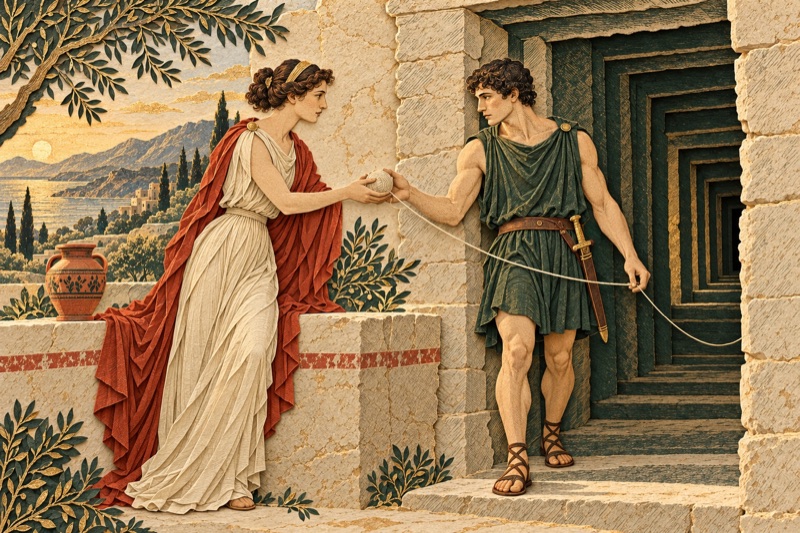
A story gives you something to wonder about before it gives you something to memorise. Why would a ball of thread have anything to do with a detective? Start with that question and one word, clue. A manageable reading session has room for the meaning, the historical connection, and an attempt to explain it afterwards. You can always add another word tomorrow.
Before reading, say what you already think the word means. You might know it from a film but be unsure how to use it yourself. That small distinction helps you choose a useful goal. Recognising a word, recalling its meaning, spelling it, and using it comfortably are different tasks. One interesting story need not accomplish all of them at once.
Find the bridge inside the story
Clue has an older connection with clew, a ball of thread. The useful bridge is guidance: a thread can help someone find a route, and a clue can help someone work towards an explanation. After reading, try telling that relationship in one plain sentence. You do not need to reproduce a polished paragraph.
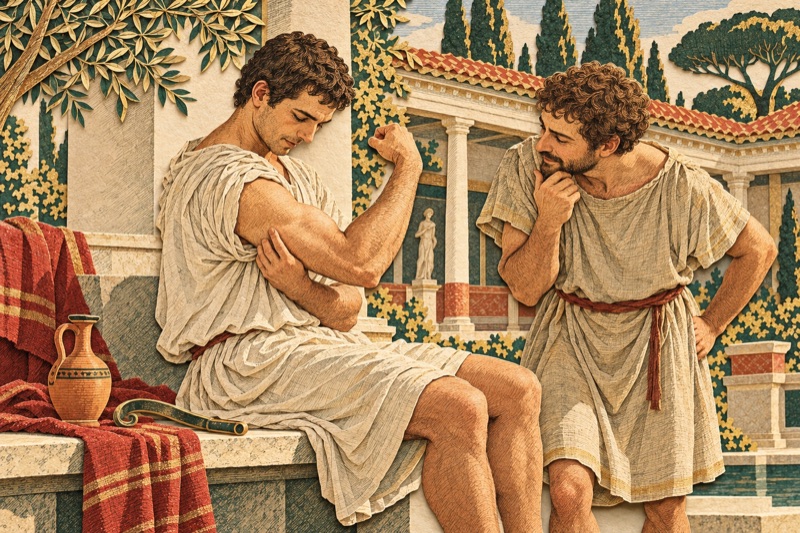
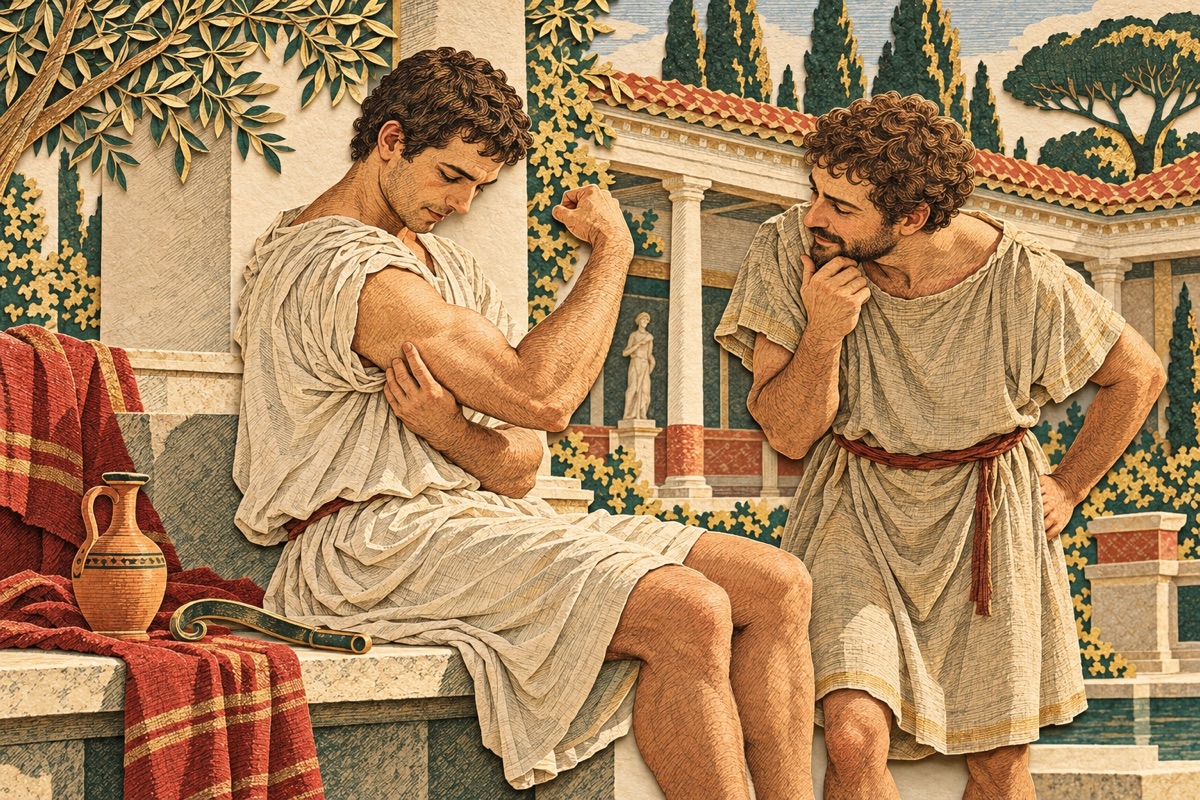
With muscle, the Latin connection to a little mouse offers a different kind of bridge: a naming image. Ask whether your word’s story depends on resemblance, borrowing, a person’s name, or a change in social use. Sorting the kind of connection is often more useful than collecting a vivid scene while forgetting how it relates to the meaning.
Close the page and attempt the answer
Once you have read the explanation, look away. Say the word, give its current meaning, and describe the bridge you just found. Then reopen the page and check. If you cannot remember a detail, treat that as information about what to revisit. A short, corrected attempt is a reasonable next step; there is no need to turn one missed answer into a judgment about your ability.
Research on foreign-language vocabulary by Jeffrey Karpicke and Henry Roediger found benefits for delayed recall from repeated retrieval in the experiment they studied. That supports including an attempt to remember in your routine. It does not establish that any particular story, app, or five-minute schedule will produce the same outcome for every learner. Keep the practical step and the limits of the evidence together.
Return from history to a sentence you need
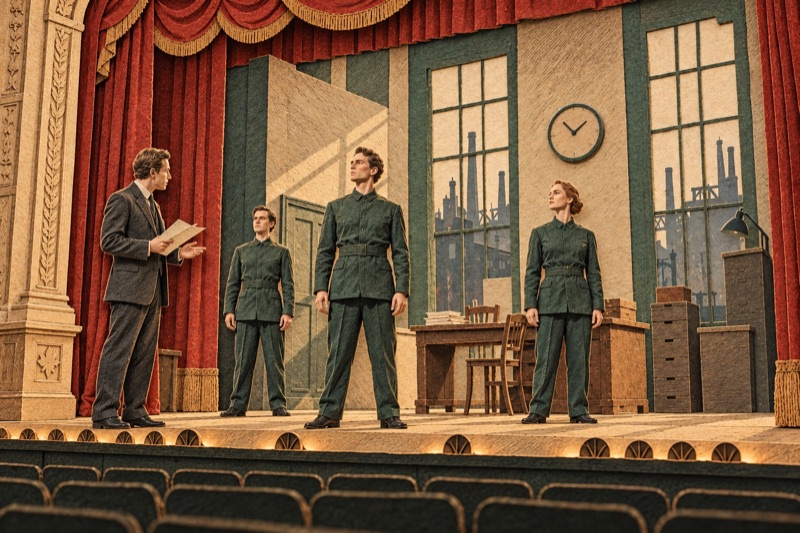
Now find a present-day use that matters to you. You could describe a clue in a mystery you are reading, or describe a robot in a museum display. Write a short sentence about that real context and check its meaning and grammar against a current dictionary. The origin gives you an association; the sentence asks whether you can use the word now.
Try changing one part of the situation. Does your sentence still work when the clue is misleading, or when a robot does not resemble a person? These questions keep the word from becoming trapped inside its origin story. Avoid forcing the old image into every modern occurrence. A good vocabulary note should help you read more freely, rather than require an etymology lesson whenever the word appears.
Build a return path you can actually keep
On a later day, ask yourself the opening question again before rereading. If recall is easy, try another sentence; if it is difficult, return to the explanation and shorten your note. Choose review intervals that fit your life and adjust them to what you remember. This is a suggested routine, not a scientifically established timetable for these stories.
Keep three items: the question that made you curious, a one-sentence explanation, and a sentence of your own. That is enough for a useful starting notebook. The aim is to make the next encounter with the word richer. Enjoying a story is worthwhile in itself; using it as a prompt for explanation and later recall gives your curiosity somewhere practical to go.